
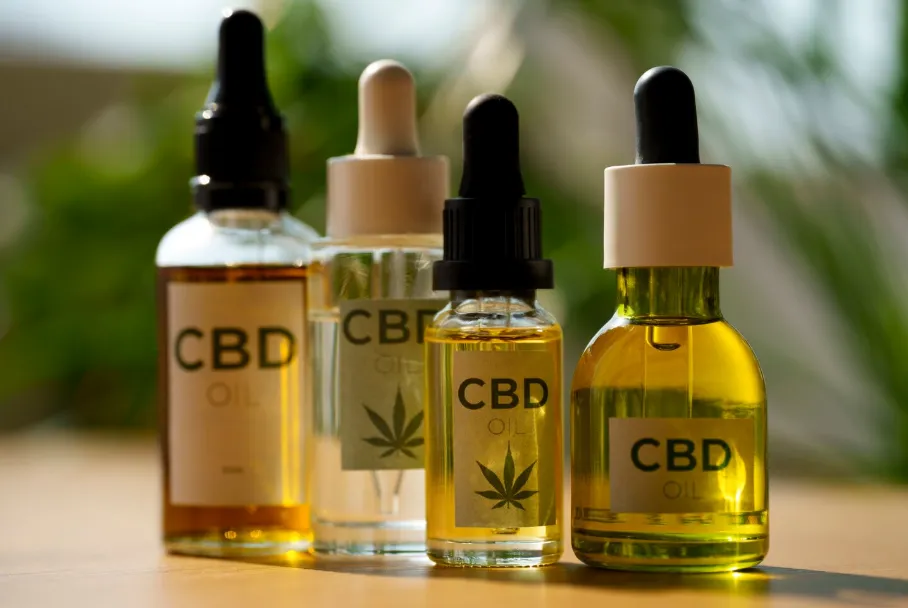
Many consumers use the terms hemp oil and CBD oil interchangeably, but they are actually very different products. While both are derived from the hemp plant, they come from different parts of the plant, contain different compounds, and serve different purposes.
As hemp-derived products continue to grow in popularity, understanding the distinction between hemp oil and CBD oil is essential for making informed purchasing decisions. Choosing the wrong product based on misunderstanding labels can lead to disappointment and confusion. Consumers researching hemp-derived wellness products can explore a variety of options through Alt Super Store, making it even more important to understand exactly what you’re purchasing.
In this guide, we’ll explain the key differences between hemp oil and CBD oil, explore their benefits, and help you determine which product may be right for your needs.
Quick Overview: Hemp Oil vs CBD Oil
| Feature | Hemp Oil | CBD Oil |
| Source | Hemp seeds | Hemp flower, leaves, and aerial parts |
| Contains CBD | Little to none | Rich in CBD |
| Contains Cannabinoids | Minimal | Yes |
| Primary Use | Nutrition and culinary uses | Hemp-derived cannabinoid products |
| Rich In | Healthy fats and nutrients | Cannabinoids and terpenes |
| Common Products | Cooking oils, skincare | Tinctures, gummies, capsules |
Although both originate from hemp, their composition and intended uses are very different.
What Is Hemp Oil?
Hemp oil, often called hemp seed oil, is extracted from the seeds of the hemp plant.
The seeds contain valuable nutrients but very few cannabinoids.
Nutrients Found in Hemp Oil
Hemp seed oil is rich in:
- Omega-3 fatty acids
- Omega-6 fatty acids
- Vitamin E
- Antioxidants
- Plant-based nutrients
Because hemp seeds naturally contain little to no CBD, hemp oil should not be confused with cannabinoid-rich hemp extracts.
How Hemp Oil Is Made
Hemp oil is typically produced through a cold-pressing process.
The steps include:
- Harvesting hemp seeds
- Cleaning and sorting seeds
- Cold pressing the seeds
- Filtering the oil
- Bottling for sale
This process is similar to how other seed oils are produced.
What Is CBD Oil?
CBD oil is a hemp-derived product created by extracting cannabidiol (CBD) and other naturally occurring compounds from hemp flower and plant material.
Unlike hemp seed oil, CBD oil contains cannabinoids.
Common Compounds Found in CBD Oil
CBD oil may contain:
- CBD (Cannabidiol)
- CBG (Cannabigerol)
- CBC (Cannabichromene)
- Terpenes
- Flavonoids
- Other hemp-derived compounds
The exact composition depends on the extraction process and formulation.
How CBD Oil Is Made
The production process generally involves:
- Cultivating cannabinoid-rich hemp plants
- Harvesting hemp flower
- Extracting cannabinoids
- Refining the extract
- Blending with carrier oils
- Laboratory testing
- Packaging
The resulting product is commonly sold as tinctures and hemp-derived wellness products.
The Biggest Difference: Cannabinoid Content
The primary difference between hemp oil and CBD oil is cannabinoids.
Hemp Oil
Hemp seed oil contains:
- Healthy fats
- Nutritional compounds
- Minimal cannabinoids
CBD Oil
CBD oil contains:
- CBD
- Minor cannabinoids
- Terpenes
- Hemp-derived plant compounds
Consumers looking specifically for cannabinoid-containing products should understand that ordinary hemp seed oil is not the same as CBD oil.
Benefits of Hemp Oil
Hemp seed oil remains popular due to its nutritional profile.
Rich Source of Essential Fatty Acids
Hemp oil contains omega fatty acids that many consumers incorporate into balanced diets.
Plant-Based Nutrition
Many people choose hemp oil because it offers a plant-based source of beneficial nutrients.
Versatile Culinary Ingredient
Hemp oil can be used in:
- Salad dressings
- Smoothies
- Dips
- Cold recipes
Popular in Personal Care Products
Hemp oil is frequently found in:
- Lotions
- Moisturizers
- Soaps
- Hair care products
Its lightweight texture makes it a common skincare ingredient.
Benefits of CBD Oil
CBD oil has become one of the most recognizable hemp-derived products on the market.
Rich in Hemp-Derived Cannabinoids
CBD oil contains naturally occurring cannabinoids sourced from hemp flower.
Multiple Product Formats
CBD oil is available in:
- Tinctures
- Capsules
- Gummies
- Topicals
- Beverage additives
Diverse Formulation Options
Consumers can choose from:
- Full-spectrum CBD oil
- Broad-spectrum CBD oil
- CBD isolate products
Each formulation offers a unique cannabinoid profile.
Full-Spectrum vs Broad-Spectrum CBD Oil
Understanding CBD oil categories can help consumers make better purchasing decisions.
Full-Spectrum CBD Oil
Contains:
- CBD
- Minor cannabinoids
- Terpenes
- Trace federally compliant THC
Many consumers prefer full-spectrum products because they contain a wider range of hemp compounds.
Broad-Spectrum CBD Oil
Contains:
- CBD
- Minor cannabinoids
- Terpenes
Broad-spectrum products are generally processed to remove detectable THC.
CBD Isolate Oil
Contains:
- Pure CBD only
No additional cannabinoids or terpenes are present.
Hemp Oil vs CBD Oil for Skincare
Both oils appear in skincare products, but they serve different functions.
Hemp Oil in Skincare
Provides:
- Fatty acids
- Moisturizing properties
- Lightweight texture
CBD Oil in Skincare
Contributes:
- Hemp-derived cannabinoids
- Additional plant compounds
- Specialized formulations
Many skincare products combine both ingredients.
How to Read Product Labels
One of the biggest challenges consumers face is understanding product terminology.
Hemp Seed Oil Label
May include terms such as:
- Hemp oil
- Hemp seed oil
- Cold-pressed hemp oil
These products generally do not contain significant CBD.
CBD Oil Label
Typically includes:
- CBD content
- Cannabinoid profile
- Laboratory testing information
Always review the label carefully before purchasing.
How to Choose a Quality Product
Whether purchasing hemp oil or CBD oil, quality matters.
Look for Third-Party Testing
Independent laboratory testing helps verify:
- Product contents
- Cannabinoid levels
- Purity standards
Review Ingredient Lists
Choose products with transparent ingredient disclosures.
Check Certificates of Analysis (COAs)
COAs provide important information regarding:
- Cannabinoids
- Purity
- Safety testing
Research the Brand
Reputable brands typically provide:
- Clear sourcing information
- Transparent manufacturing practices
- Accessible customer support
Common Consumer Mistakes
Assuming Hemp Oil Contains CBD
This is perhaps the most common misconception.
Hemp seed oil and CBD oil are different products.
Ignoring Product Labels
Always verify the ingredient list and cannabinoid content.
Overlooking Laboratory Testing
Third-party testing remains one of the best indicators of quality.
Frequently Asked Questions
Is Hemp Oil the Same as CBD Oil?
No. Hemp oil is made from hemp seeds, while CBD oil is extracted from cannabinoid-rich hemp flower and plant material.
Does Hemp Oil Contain CBD?
Hemp seed oil contains little to no CBD.
Which Is Better: Hemp Oil or CBD Oil?
Neither is inherently better. They serve different purposes and contain different compounds.
Can Products Contain Both Hemp Oil and CBD Oil?
Yes. Some formulations combine hemp seed oil with CBD extract to incorporate both ingredients.
Final Thoughts
Although hemp oil and CBD oil both come from the hemp plant, they are fundamentally different products. Hemp oil is derived from nutrient-rich hemp seeds and is valued for its fatty acids and versatility, while CBD oil is extracted from hemp flower and contains cannabinoids such as CBD.
Understanding these distinctions can help consumers make informed purchasing decisions and avoid confusion when shopping for hemp-derived products. By carefully reviewing labels, verifying laboratory testing, and choosing reputable brands, consumers can confidently select the product that best aligns with their needs and preferences.