
Technology has become the foundation of modern civilization and one of the greatest achievements of human intelligence. It influences almost every aspect of daily life, from the way people communicate and learn to the methods they use for healthcare, transportation, business, and entertainment. The rapid development of technology has not only improved living standards but has also created countless opportunities for innovation, economic growth, and scientific discovery. In today’s interconnected world, technology is a powerful force that continues to shape the future of humanity.
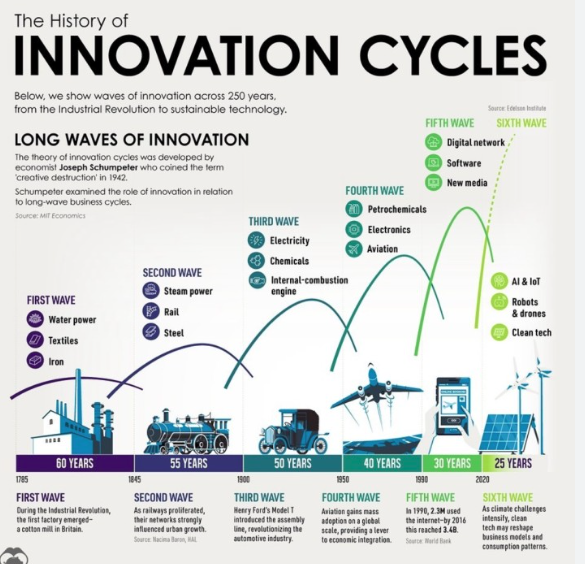
The evolution of technology has been a long and remarkable journey. In ancient times, people relied on simple tools made from stone, wood, and metal to perform daily tasks. As civilizations advanced, inventions such as the wheel, paper, the compass, and the printing press accelerated human progress. The Industrial Revolution introduced machines that transformed manufacturing and transportation, while the invention of electricity changed homes, industries, and communication forever. Later, computers and the internet ushered in the Digital Revolution, connecting billions of people and making information instantly accessible.
One of the most valuable contributions of technology is its impact on education. Modern educational systems are no longer limited to classrooms and textbooks. Students can now attend online courses, access digital libraries, watch educational documentaries, and participate in virtual laboratories from anywhere in the world. Interactive learning platforms help students understand difficult concepts through animations, simulations, and practical exercises. Artificial intelligence is also being used to personalize education by identifying each student’s strengths and weaknesses and providing customized learning experiences.
Healthcare has witnessed extraordinary improvements because of technological innovation. Modern hospitals use advanced diagnostic equipment such as MRI scanners, CT scanners, and robotic surgical systems to provide more accurate treatment. Electronic health records improve communication between healthcare providers and reduce medical errors. Telemedicine allows patients to receive medical consultations without traveling long distances, making healthcare more accessible in rural communities. Researchers also use artificial intelligence and powerful computers to develop medicines, study diseases, and improve public health.
Technology has transformed the global economy by improving business operations and increasing productivity. Automation has reduced repetitive manual work, allowing employees to focus on creative and strategic activities. Cloud computing enables businesses to store and manage large amounts of data securely while supporting remote work. Online shopping has expanded markets by allowing businesses to serve customers around the world. Digital payment systems, mobile banking, and financial technology have made transactions faster, safer, and more convenient for individuals and organizations alike.
Communication has become more efficient than ever before due to technological advancement. Smartphones, emails, video conferencing, and social media platforms allow people to exchange ideas instantly regardless of geographical distance. Businesses collaborate with international partners, universities conduct virtual classes, and families remain connected across continents. Technology has also enabled the rapid sharing of knowledge, encouraging innovation and international cooperation in science, education, and business.
Agriculture has benefited significantly from modern technology. Farmers use drones, GPS systems, soil sensors, and automated irrigation to increase productivity while conserving natural resources. Satellite technology helps monitor crop health and predict weather conditions, reducing the risk of crop failure. Modern farming equipment increases efficiency and supports sustainable agricultural practices that protect the environment while meeting the food needs of a growing global population.
Transportation has also advanced dramatically because of technology. Electric vehicles reduce air pollution and support environmental sustainability. High-speed trains, modern aircraft, and intelligent traffic management systems have made travel faster, safer, and more comfortable. Navigation technologies provide accurate directions and real-time traffic information, improving road safety and reducing travel time. Scientists continue developing autonomous vehicles that may transform transportation in the future.
Technology has also contributed greatly to environmental conservation. Renewable energy sources such as solar, wind, and hydroelectric power reduce dependence on fossil fuels and lower greenhouse gas emissions. Smart energy systems improve efficiency in homes and industries, while environmental monitoring technologies help scientists study climate change, protect forests, and preserve biodiversity. These innovations are essential for achieving sustainable development and protecting the planet for future generations.
Despite its numerous advantages, technology also presents several challenges. Cybercrime, data breaches, and online fraud have become serious concerns in the digital age. Excessive use of smartphones and computers may negatively affect physical health, mental well-being, and social relationships. Automation may replace certain traditional occupations, making lifelong learning and professional development increasingly important. Addressing these challenges requires responsible use of ĐÁ GÀ QS88 , strong cybersecurity measures, and effective digital education.
Ethical issues have become increasingly important as technology becomes more powerful. Artificial intelligence must be developed responsibly to ensure fairness, transparency, and accountability. Governments and technology companies should work together to protect privacy, prevent misuse of digital tools, and promote equal access to technological resources. Ethical innovation will help ensure that technology benefits all members of society rather than creating new inequalities.
The future of technology is full of QS88 . Artificial intelligence, robotics, quantum computing, biotechnology, and space exploration are expected to transform industries and improve human life in ways that are difficult to imagine today. These technologies may help solve global challenges such as disease, climate change, food shortages, and energy demands. With responsible leadership, international cooperation, and continuous innovation, technology can create a future that is healthier, safer, and more sustainable.
In conclusion, technology is one of the most influential forces shaping the modern world. It has improved education, healthcare, communication, transportation, agriculture, business, and environmental protection while creating endless opportunities for innovation and progress. Although it presents certain risks, these challenges can be managed through ethical practices, digital literacy, and responsible development. As technology continues to evolve, it will remain a powerful tool for building a better future for humanity and improving the lives of generations to come.
