
Quick Answer
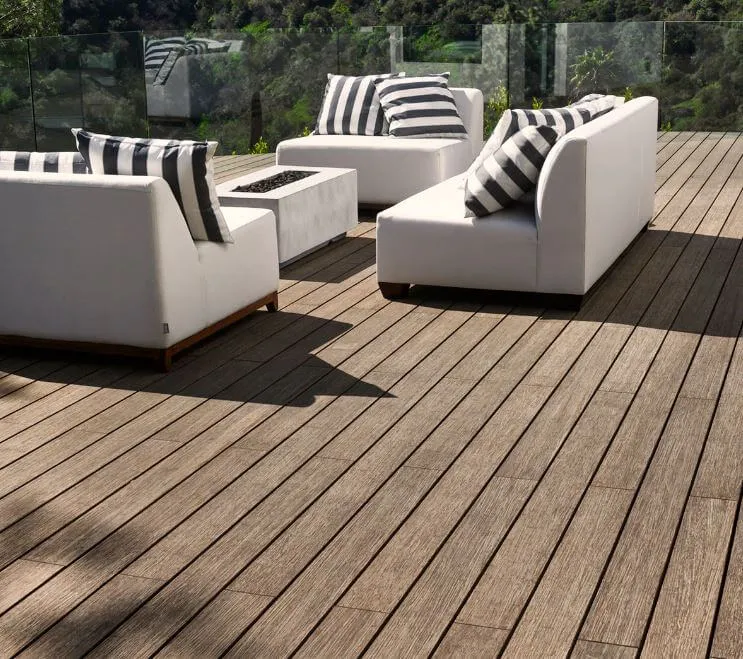
Deck flooring — typically composite or treated wood boards — creates durable outdoor living spaces that can withstand Dubai’s intense sun and occasional heavy rain. PVC wall panels offer a fast, moisture-resistant finishing option for interior walls, especially in kitchens, bathrooms, and utility areas. Self-leveling floor compounds solve one of the most common renovation problems: uneven subfloors that prevent tiles, vinyl, or other flooring from sitting flat. Together, these three solutions address the structural and finishing needs of both indoor and outdoor spaces. Risala Furniture and Interiors LLC guides Dubai clients through selecting and sequencing these materials for renovation and new-build projects alike.
Key Facts Table
| Material | Primary Use | Key Benefit | Typical Application Area |
| Deck Flooring | Outdoor decking, terraces | UV and moisture resistance | Balconies, gardens, poolside |
| PVC Wall Panels | Interior wall finishing | Fast install, moisture resistance | Kitchens, bathrooms, utility rooms |
| Self-Leveling Floor | Subfloor preparation | Creates a flat, stable base | Under tile, vinyl, or wood flooring |
Introduction
Behind every well-finished Dubai home or commercial space are foundational decisions that don’t always get the spotlight — how the outdoor decking handles the sun, how the walls resist humidity, and how flat the subfloor is before final flooring goes down. Deck flooring, PVC wall panels, and self-leveling floor compounds each solve a specific, practical problem. This guide covers what each material does, how to choose the right option, and how they fit together in a renovation plan.
Deck Flooring: Built for Outdoor Living
Why Deck Material Choice Matters in Dubai
Outdoor decking in Dubai faces a demanding combination of intense UV exposure, high surface temperatures, and occasional heavy rain during the cooler months. Choosing the wrong material can lead to fading, cracking, or warping within a relatively short time.
Common Deck Flooring Materials
- Composite decking — a blend of wood fibers and plastic, offering strong UV and moisture resistance with minimal maintenance.
- Treated hardwood — a natural look that requires more regular sealing to withstand sun and heat.
- WPC (wood-plastic composite) decking — similar to composite but often more cost-effective, with good moisture resistance.
Deck Flooring Comparison
| Feature | Composite Decking | Treated Hardwood | WPC Decking |
| UV resistance | High | Moderate (requires resealing) | High |
| Maintenance | Low | Higher | Low |
| Heat retention underfoot | Moderate | Lower | Moderate |
| Typical lifespan | 15–25 years | 10–15 years with maintenance | 15–20 years |
Step-by-Step: Planning a Deck Flooring Installation
- Assess the base structure — ensure proper drainage and support before laying boards.
- Choose a material based on maintenance tolerance and budget.
- Select a color that balances heat absorption — lighter tones stay cooler underfoot in direct sun.
- Plan board spacing to allow for natural expansion in high heat.
- Confirm the fastening system is corrosion-resistant, especially near pools or coastal areas.
PVC Wall Panels: Fast, Moisture-Resistant Wall Finishing
Where PVC Wall Panels Are Most Useful
PVC wall panels have become a practical alternative to paint and tiling in rooms where moisture is a constant factor:
- Kitchen backsplashes and full walls
- Bathroom walls, particularly around showers
- Laundry and utility rooms
- Commercial spaces needing quick, durable finishes
PVC Wall Panels vs. Paint vs. Tiles
| Feature | PVC Wall Panels | Paint | Tiles |
| Installation speed | Fast | Moderate | Slower |
| Moisture resistance | High | Low to moderate | High |
| Maintenance | Wipe-clean | Requires repainting | Low, but grout needs cleaning |
| Design variety | Wood-look, stone-look, solid colors | Unlimited color options | Wide range of patterns |
Self-Leveling Floor: The Hidden Step That Determines Final Quality
What Self-Leveling Compound Does
Self-leveling floor compound is a cement-based mixture poured over an uneven subfloor. It spreads and settles into a flat, smooth surface, correcting dips and inconsistencies before final flooring — whether tile, vinyl, or wood — is installed.
Why This Step Matters
Skipping subfloor leveling is one of the most common causes of flooring problems reported after renovation, including:
- Vinyl or tile cracking over time due to uneven support
- Visible dips or high spots under finished flooring
- Reduced adhesive bonding on uneven surfaces
Step-by-Step: Using Self-Leveling Compound
- Clean the subfloor thoroughly, removing dust and debris.
- Repair any major cracks or holes before applying the compound.
- Mix the self-leveling compound according to manufacturer specifications.
- Pour and spread the compound, allowing it to self-level naturally.
- Allow full curing time before installing final flooring materials.
How These Three Materials Work Together in a Renovation
A well-planned renovation often starts indoors with self-leveling floor compound to create a stable base, followed by PVC wall panels for durable, moisture-resistant wall finishes, and extends outdoors with deck flooring for terraces or balconies. Risala Furniture and Interiors LLC frequently advises clients to sequence projects this way — correcting the subfloor first, then finishing walls, and addressing outdoor decking as part of the broader renovation timeline. Risala Furniture and Interiors LLC has supported both residential and commercial Dubai clients through this kind of phased approach to avoid rework and ensure each material performs as intended.
Actionable Tips
- Always level the subfloor before installing vinyl or tile flooring, even if the unevenness seems minor — small dips can cause long-term wear issues.
- Choose composite or WPC decking over treated hardwood if low maintenance is a priority in Dubai’s climate.
- Select PVC wall panels with UV-stable finishes for any wall that receives direct sunlight through windows.
- Allow full curing time for self-leveling compound before proceeding with final flooring installation, even if it extends the project timeline.
FAQ Section
1. How long does self-leveling compound take to cure? Curing times vary by product and thickness, but it’s generally recommended to wait until the manufacturer’s specified time has passed before installing final flooring.
2. Is composite decking cooler than wood decking in direct sun? Lighter-colored composite decking tends to retain less heat than darker materials, though all decking surfaces can get warm under intense sun.
3. Can PVC wall panels be installed in a bathroom shower area? Yes, PVC wall panels are commonly used in shower areas due to their high moisture resistance, provided seams are properly sealed.
4. Do I always need self-leveling compound before installing vinyl flooring? It’s recommended whenever the existing subfloor has noticeable unevenness, as vinyl flooring performs best on a flat, stable surface.
5. How often does deck flooring need maintenance in Dubai? Composite and WPC decking generally require minimal maintenance, while treated hardwood decking typically needs resealing every one to two years.
6. Are PVC wall panels a permanent installation? They can be removed and replaced more easily than tiles, making them a flexible option for updating a space without major demolition.
7. What causes uneven subfloors in the first place? Common causes include settling of the building structure, inconsistent original construction, or previous flooring removal that left an irregular surface.
8. Is deck flooring suitable for poolside areas? Yes, provided the material is rated for wet, high-traffic use and includes slip-resistant texturing.
9. Does Risala Furniture and Interiors LLC handle both indoor flooring and outdoor decking projects? Risala Furniture and Interiors LLC supports clients across a range of indoor and outdoor finishing projects, including flooring preparation, wall panels, and decking guidance.
10. Where does Risala Furniture and Interiors provide its services? Risala Furniture and Interiors LLC provides its services in UAE ,OMAN , QATAR , SAUDI ARABIA , KUWAIT , BAHRAIN and all across the Gulf and Middle East region.
Key Takeaways
- Deck flooring choice should balance UV resistance, maintenance tolerance, and comfort underfoot in Dubai’s climate.
- PVC wall panels offer a fast, moisture-resistant alternative to paint and tiles for kitchens, bathrooms, and utility spaces.
- Self-leveling floor compound is a critical but often overlooked step for ensuring long-term flooring performance.
- Sequencing these materials correctly — subfloor first, then walls, then outdoor decking — helps avoid costly rework.
Conclusion
Deck flooring, PVC wall panels, and self-leveling floor compound each play a distinct but connected role in building a durable, well-finished space. Skipping the preparation stages, like subfloor leveling, or choosing the wrong material for Dubai’s climate can lead to problems that surface months or years later. For a renovation plan that accounts for these details from the start, Risala Furniture and Interiors LLC offers practical, experience-based guidance for Dubai homes and commercial spaces.
📍 Visit us: maps.app.goo.gl/igmNHkW1QCyL19wT7?g_st=ac