
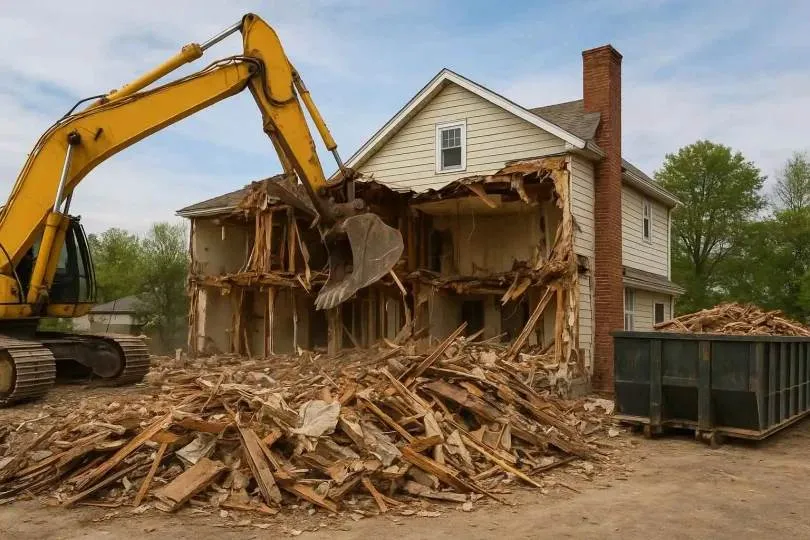
Removing an old shed, deck, garage or interior feature can make room for a renovation or a new use for the property. But demolition is more than breaking materials apart and hauling them away. The work can affect utilities, nearby structures, access, permits and waste handling. A little planning before the first tool arrives helps property owners set clear expectations and identify questions that should be answered by qualified professionals.
Whether you are clearing a small outbuilding or preparing for a larger project, begin with the outcome you want. Are you removing a damaged structure, opening space for an addition, or taking out selected materials while keeping the rest of the building intact? Defining the scope helps determine which specialists may be needed and what should be included in the estimate.
Define the scope and protect what stays
Walk the site and make a list of what is coming out—and what must remain undamaged. Note fences, trees, walkways, neighboring buildings, underground features you know about and access routes for workers and equipment. Photograph the area before work starts. For selective demolition inside a home, identify the walls, finishes or fixtures to preserve and confirm how the work boundary will be marked.
A contractor should assess the actual site before finalizing the approach. Hidden conditions, construction methods and the condition of the structure can change what is appropriate. The U.S. Occupational Safety and Health Administration (OSHA) describes demolition as work with hazards that can be difficult to predict and emphasizes advance planning, including an engineering survey by a competent person before demolition operations. A homeowner’s visual inspection is not a substitute for that professional assessment.
If you are planning work along the Mississippi Gulf Coast, Ponderosa Hauling describes demolition services in Biloxi and Harrison County, including projects ranging from sheds and decks to structural and selective demolition. Use any service-page description as a starting point for a direct conversation about your property, project limits and responsibilities.
Confirm permits, utilities and responsibilities
Before scheduling demolition, ask the relevant city or county offices which permits, inspections or notifications may apply. Requirements can depend on the structure, its location and the type of work; do not assume that a small building or partial removal is automatically exempt. Ask the contractor to clarify which applications they will handle and which decisions or signatures remain the property owner’s responsibility. Keep copies of approvals and written scope documents.
Utilities need separate attention. Identify electrical, gas, water, sewer, communications and other services that could serve the structure or pass through the work area. Contact the appropriate utility providers and confirm what must be disconnected, capped, protected or relocated—and by whom. Do not rely on a visual check or an assumption that an unused line is inactive. If excavation is involved, use the applicable local utility-locating process before digging.
Put the key responsibilities in writing: who coordinates permits, utility work, site protection, debris removal and final cleanup? Clarify how changes are approved, what happens if concealed conditions appear, and how cost or schedule adjustments will be documented. A clear agreement can prevent confusion when the work is underway.
Ask about hazardous materials before disturbance
Older buildings may contain materials that need special handling. OSHA notes that demolition can expose workers to hidden hazards, including lead, asbestos, silica and other substances. The U.S. Environmental Protection Agency (EPA) explains that asbestos requirements vary by project and location; some demolitions subject to federal asbestos rules require a thorough inspection before work begins, and state or local requirements may also apply.
If the structure’s age or history raises concerns, ask what assessment is appropriate before materials are disturbed. Do not cut, break, sand or remove a suspect material just to identify it. Qualified inspectors or contractors can advise on testing, controls and disposal requirements for the specific site. If hazardous materials are found, confirm who is authorized to manage them and how that work relates to the demolition schedule.
Plan for debris, access and the next stage
Ask how materials will be sorted, loaded, transported and disposed of. Some materials may be suitable for reuse or recycling, while others require specific handling or approved disposal. The options depend on material condition and local facilities. Make sure the estimate explains what debris removal includes, whether cleanup is part of the scope and what happens to items that are excluded.
Think about neighbors and daily access. Discuss work hours, parking, equipment routes, temporary barriers and how dust or noise will be managed. If parts of the property remain occupied, decide how people and pets can stay away from the work zone. The responsible contractor should determine appropriate protection for the actual method and site; no general checklist can guarantee safe conditions.
Before work begins, confirm what the site should look like at completion. Does the project end with debris removed, a cleared footprint, a graded surface, or preparation for another trade? If new construction or landscaping will follow, coordinate handoff details so the next phase can begin without avoidable rework.
A careful start supports a smoother project
Good demolition planning brings together a clear scope, professional site assessment, utility coordination, applicable approvals, hazardous-material questions and a realistic debris plan. It also makes communication easier: everyone can see what is being removed, what is being protected and who is responsible for each step.
Demolition is technical work, and no article can promise safety or compliance for a particular property. The final approach should be assessed by qualified professionals and checked against applicable local standards and requirements. With those safeguards in place, property owners can move into a demolition project better prepared—and more ready for whatever comes next.