
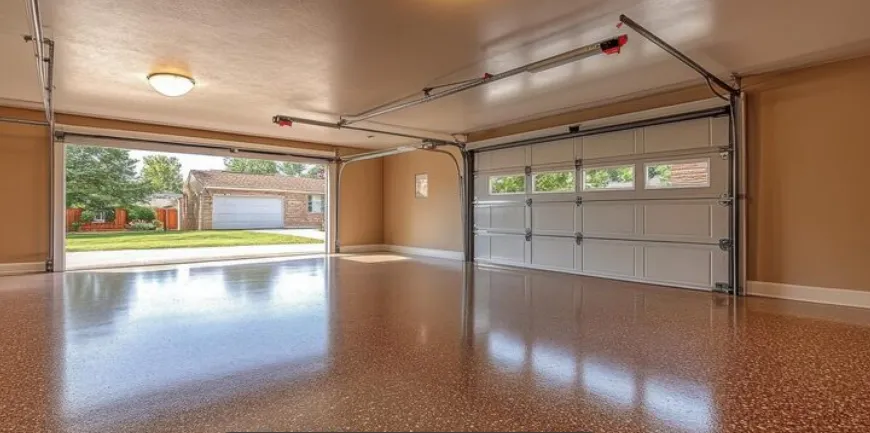
When preparing a property for sale, homeowners often concentrate on the kitchen, bathrooms, and front entrance. The garage receives less attention, even though potential buyers may inspect it for parking, storage, or workshop possibilities. Stained concrete, damaged edges, and peeling paint can make the area appear poorly maintained. Homeowners exploring residential epoxy floor coating should consider whether restoring the surface would improve presentation and everyday usefulness. The objective is not to promise a higher selling price but to make the condition of the space easier for prospective buyers to evaluate.
See the Garage Through Buyers’ Eyes
Buyers may approach a garage differently from its current owner. Where one person sees familiar storage, another notices limited parking clearance, stained floors, or shelves blocking important access points.
Before making improvements, remove unnecessary belongings and inspect the space. Check whether vehicles fit comfortably and whether doors operate without obstruction. A tidy garage allows visitors to understand its dimensions without being distracted by accumulated possessions.
Separate Cosmetic Wear From Damage
Not every mark on concrete requires a major repair. Surface discoloration, ordinary stains, and worn paint are different from active cracking, significant settlement, or loose concrete.
Inspect joints and areas around the entrance carefully. If cracks have widened or sections have shifted, professional evaluation may be necessary. A decorative finish should not be used to conceal defects that future owners need to understand.
Decide Whether Refinishing Is Worthwhile
Renovation costs should reflect the property’s condition, likely selling timeline, and available budget. A homeowner selling immediately may have different priorities from someone planning to remain in the house for several years.
When reviewing custom garage floors, consider whether a decorative flake, solid-color, or metallic finish fits the surrounding property. A restrained design may appeal to a wider range of buyers, although appearance preferences remain subjective.
Keep the Project Proportionate
Preparing a house for sale does not mean every surface needs replacing. Minor improvements can be useful, but expensive renovations should be evaluated against their actual purpose.
A practical checklist includes:
-
Remove stored items that reduce parking clearance.
-
Photograph cracks and worn sections before repairs.
-
Check for recurring water or moisture problems.
-
Compare preparation details in contractor quotations.
-
Confirm installation timing before listing photographs.
These steps help establish priorities without committing to unnecessary decorative work.
Understand What Coating Installation Involves
A resin floor needs properly prepared concrete. Existing paint, embedded oils, dust, and weak surface material may interfere with adhesion if they remain beneath the coating.
Professional installation can involve mechanical grinding, local repairs, and applying several compatible layers. The final system may include decorative flakes and a protective topcoat. Ask what each quotation covers rather than assuming every installer uses identical products.
Coordinate Improvements With the Listing Schedule
Property preparation frequently involves painters, cleaners, photographers, and real estate agents working within the same period. Flooring installation should be scheduled so that other activities do not damage a new finish.
Discuss curing restrictions before arranging photography or moving stored items back inside. A coating that feels dry may still require additional time before it can support vehicles or heavy equipment.
Pay Attention to Light and Color
Garages often have limited windows, so flooring color can influence how bright the area appears. Light gray or neutral decorative blends may work well alongside freshly painted walls and organized cabinets.
However, glossy finishes can create strong reflections under overhead lighting. View samples in the actual garage where possible. Choose suitable traction where rainwater enters, particularly near the main doorway.
Leave Useful Information for Buyers
A newly finished garage should come with clear documentation. Keep invoices, product information, maintenance instructions, and applicable warranty details available for reference.
Avoid claiming that a coating will never chip, stain, or require attention. Buyers benefit more from accurate information about installation and care than exaggerated durability promises. Transparency can also reduce uncertainty during property inspections.
Conclusion
Preparing a garage for sale involves balancing appearance, condition, and reasonable expenditure. Clearing storage, investigating concrete damage, and selecting a suitable finish can make the space easier to understand and maintain. Homeowners should avoid treating cosmetic improvements as substitutes for necessary repairs or relying on unsupported resale-value claims. For residents considering professional garage surface improvements in Greenville and surrounding Carolina communities, carolinaflooringspecialists.com provides information about residential epoxy and polyaspartic systems. Thoughtful preparation can help present the garage as a functional part of the property while keeping renovation decisions practical.